The 2026 FIFA World Cup is already making history, but one of its most talked-about additions will arrive during the tournament’s biggest match. For the first time, the FIFA World Cup final will feature an...





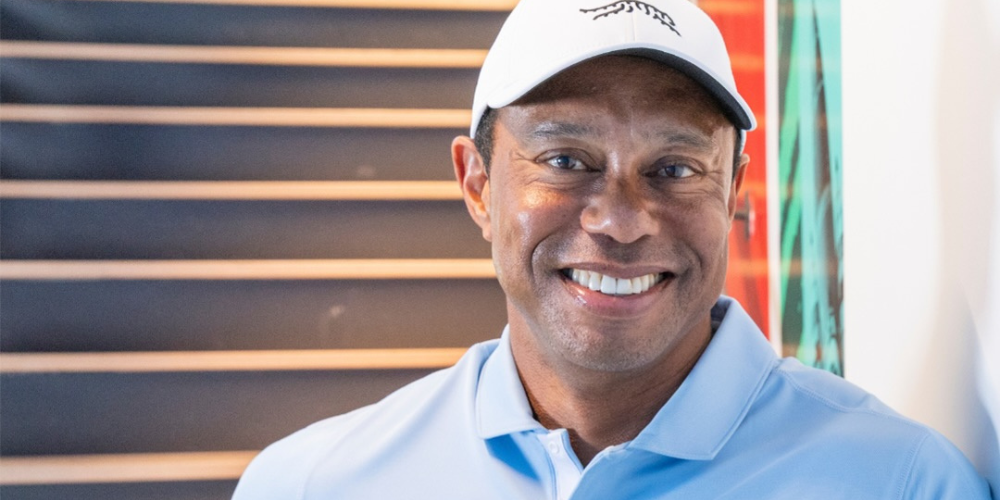
Attention around Tiger Woods at the Masters has shifted beyond competition, focusing instead on his absence and the circumstances surrounding it.
While Woods remains away from Augusta National and continues treatment after an arrest on suspicion of driving under the influence of medication, three of golf’s most respected names—Gary Player, Jack Nicklaus, and Tom Watson—offered pointed guidance and concern.
Their remarks, shared during a news conference following the honorary starters ceremony, reflected a mix of caution, respect, and long-view thinking about Woods’ health and legacy in the sport.
Tiger Woods’ current situation has drawn attention across the golf world. He has pleaded not guilty to charges connected to a March 27 incident and has also received approval for a motion to seek treatment outside the country. His absence from the Masters follows a series of physical setbacks, including multiple surgeries on his leg and back.
Gary Player focused heavily on the human side of the issue. He noted how easy it becomes to judge from a distance without understanding pain. He pointed out that Woods has gone through repeated medical procedures and ongoing physical suffering.
Player stated, “If I or any one of you in this room had the pain that Tiger has gone through... many, many operations on his leg and his back, so he’s in pain.”
On the question of medication and driving, Player did not excuse risky behavior but emphasized safety concerns:
“Do I blame him for talking medicine? No. But I don’t think he should drive a car.”
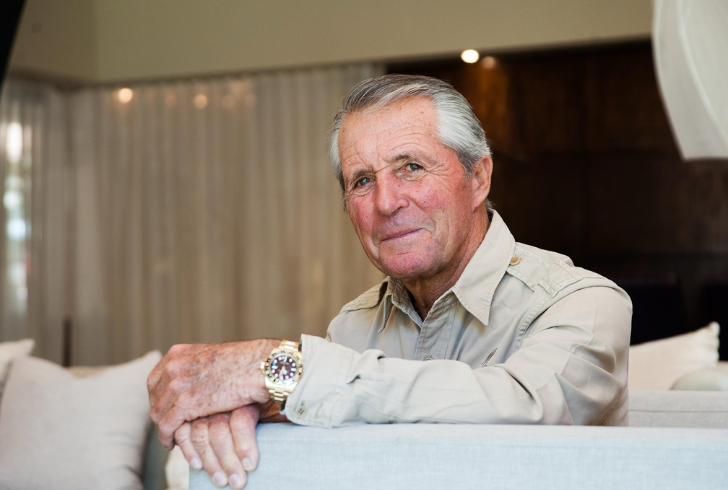
Instagram | gary.player | Focusing on the "human side," Player linked Woods' current performance to a legacy of medical hardships.
He compared it to distracted driving risks and suggested a practical solution:
“Just not drive a car. Get a chauffeur.”
Player also reflected on aging and mobility, saying reflexes may remain strong, but safety choices matter more. He added that Woods remains important to the sport and deserves support through recovery.
Jack Nicklaus echoed the sentiment in a simpler form, advising Woods to:
“Get whatever you need.”
Nicklaus also stressed that golf benefits from Woods being healthy and present, signaling that the game still values his influence.
Tom Watson shared a more reflective tone, focusing on Woods’ long-term challenges and the importance of health stability over public pressure.
Across the Masters field, several players addressed Woods’ absence and legal situation with mixed emotions.
Jason Day expressed hope for recovery but also labeled Woods’ decision to drive under medication as irresponsible. His comments reflected both concern and disappointment.
Nick Faldo also weighed in earlier, stating that accountability should be part of the conversation around Woods’ situation.
Other current players, including Harris English, Bubba Watson, Jacob Bridgeman, and Patrick Reed, acknowledged the situation while maintaining focus on support for Woods’ recovery process.
Augusta National Chairman Fred Ridley also addressed the matter, stating that the organization fully supports Woods stepping away from the spotlight to prioritize treatment and health.
Woods’ absence came during a period when he was still deciding whether to compete in the Masters, following another round of surgery. He was also expected to attend a ceremonial appearance connected to a short course he designed at Augusta’s municipal course, The Patch.
Beyond Woods, the three legends shifted focus to a major issue in modern golf: how far the ball travels and what it means for the future of the sport.
Tom Watson supported efforts to reduce driving distance but highlighted uncertainty about implementation. He noted that modern equipment, stronger athletes, and large-headed drivers have all contributed to increased distance.
Watson stated, “Where you draw the line is the question,” while agreeing that change is necessary.
Gary Player took a stronger position, suggesting a reduction of around 60 yards in driving distance. He argued that the sport has drifted away from its traditional structure.
Player added that course expansion has become expensive and inefficient:
“That money is being wasted,” he said, referring to land use, environmental impact, and maintenance costs tied to longer courses.
He also pointed out that golf could become more accessible and environmentally balanced if distances were scaled back.
Jack Nicklaus focused on practicality, stating that cost and time pressures are already affecting participation in golf. He noted that a rollback is necessary, even if it never fully returns to earlier standards.
The honorary starters ceremony at Augusta National also brought lighter and reflective moments from the three legends.
Tom Watson recalled attending the ceremony as an amateur and described it as a lasting memory in his career. The tradition continues to hold significance for him.
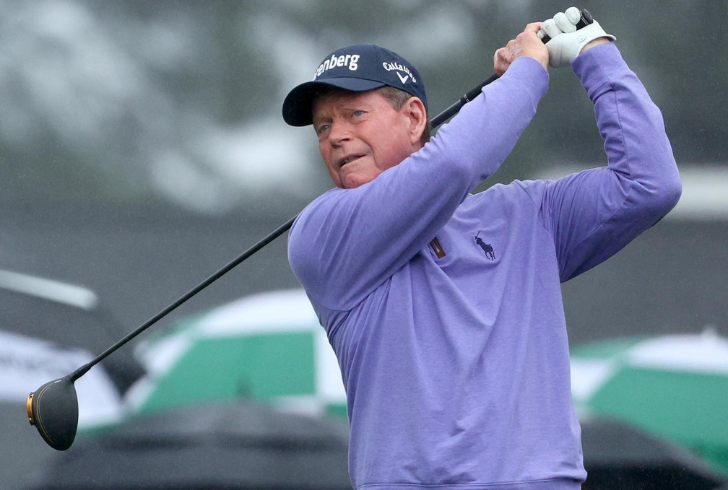
Instagram | the.team.co | For Tom Watson, the Honorary Starters Ceremony remains a cherished career milestone that bridge his amateur past and legendary present.
Gary Player expressed gratitude for returning to the first tee, saying the moment represented appreciation for decades in the game.
Jack Nicklaus shared a brief, humorous comment when asked about the key to winning back-to-back Masters titles:
“The key is to win two years in a row.”
Nicklaus also reflected on his shot during the ceremony, noting concern for safety with a light remark:
“I told everybody to spread out on both sides because I don’t want to kill anybody.”
Player added that his thoughts during the shot centered on gratitude and respect for Augusta National and its history.
When asked about his career and life decisions, Player said no regrets exist about his journey:
“Absolutely nothing,” he said, adding that golf helped shape a meaningful life despite adversity. He also stated, “I’ve never gone to bed one night in my life that I haven’t said thanks.”
On the evolution of the Masters, Player credited Augusta National with adapting faster than most tournaments and expressed confidence in its continued growth.
The discussion around Tiger Woods at the Masters goes beyond one incident, focusing on health, responsibility, and his lasting impact on golf. Gary Player, Jack Nicklaus, and Tom Watson highlighted care, safety, and perspective, while others emphasized support for recovery.
At the same time, debates on golf ball distance continue to influence the sport’s direction. The Masters stands as a meeting point of tradition, modern challenges, and key figures shaping the game.