The 2026 FIFA World Cup is already making history, but one of its most talked-about additions will arrive during the tournament’s biggest match. For the first time, the FIFA World Cup final will feature an...









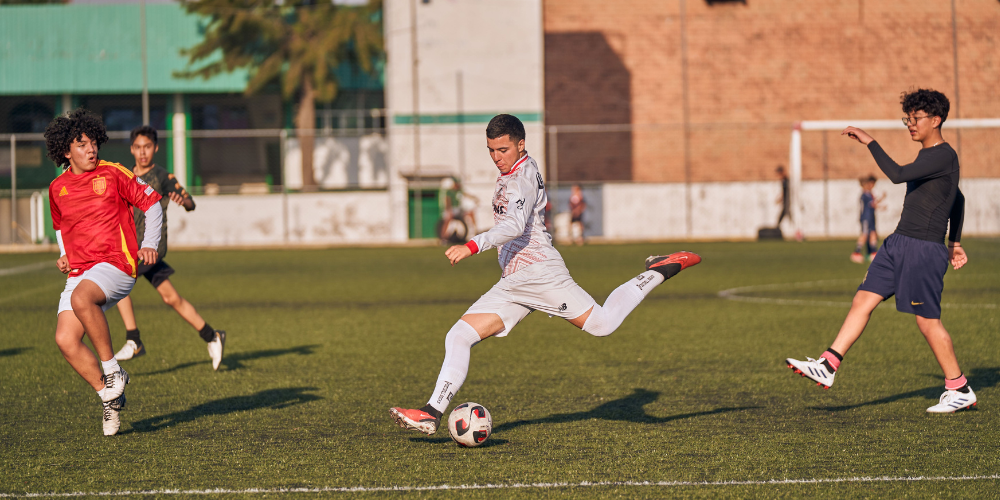
Major sporting events have a unique way of capturing attention far beyond the competition itself. Whether it is the FIFA World Cup, the Winter Olympics, the Masters Tournament, or Formula 1 races, these events often inspire children to pick up a new sport or imagine themselves competing on the world stage one day.
Researchers describe this phenomenon as the “demonstration effect,” a term used to explain how high-profile sporting events encourage participation among young people. While that excitement can be positive, it also places parents in unfamiliar territory. Questions about time, money, commitment, and long-term involvement quickly come into focus.
Determining whether a child’s interest is a passing phase or the beginning of a lasting passion is rarely straightforward. Parents must balance encouragement with realistic expectations while ensuring sports remain a healthy and enjoyable part of childhood.
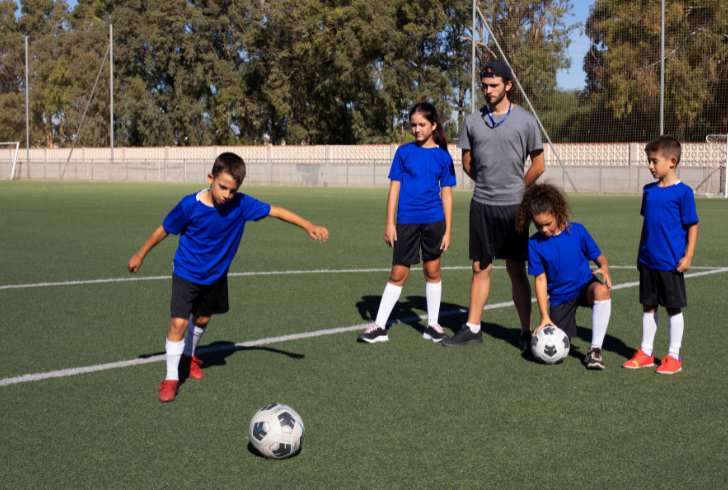
Pexels | Before committing long-term, let your child explore new sports through casual local clinics and camps.
When a child develops enthusiasm for a new sport, the immediate reaction is often to purchase equipment, sign up for lessons, or commit to competitive programs. Experts suggest taking a measured approach instead.
Children frequently move between interests as they grow. Because of this, exploring a sport through local camps, clinics, casual games, or recreational programs can be a practical first step before making larger commitments.
According to Travis Dorsch, founding director of the Families in Sport Lab at Utah State University, gathering information from other families about coaches, leagues, and youth programs can help parents make informed choices. At the same time, understanding the sport and participating alongside children can strengthen their interest.
“If it is soccer, parents should go down to the park, take a ball and kick it around with their kids, show them that you care about what they care about,” Dorsch said.
The focus should remain on the child's experience rather than the parent's expectations. Allowing young athletes to shape their own relationship with sports often leads to a healthier and more enjoyable experience.
One challenge many parents face is separating their children's goals from their own athletic experiences.
JJ Rauchwarger, 39, a youth baseball and basketball coach in Oregon who previously played collegiate basketball in Arizona, believes some parents unintentionally project their own unmet ambitions onto their children. This can increase expectations and create pressure that affects how young athletes view themselves.
Instead, Rauchwarger encourages parents to prioritize physical activity, personal development, and enjoyment.
“I already had my career. It was 20 years ago. What matters is my little one scored his first basketball this year in little tiny top basketball, and he was stoked beyond measure,” Rauchwarger said. “My oldest one figured out how to one-up a layup and hit the free throw. That is way cooler than anything I ever did.”
Sports can help children become more well-rounded individuals regardless of whether they ever reach elite levels. Rauchwarger points out that accountability and expectations still matter, but they should focus on character rather than results.
“When we specialize early, we, as parents and coaches, put too much pressure on it,” she said. “I’m all for accountability and expectations. But that means are you being a good teammate? Are you putting forth your best effort? Are you showing up with a positive attitude?”
Children benefit most when success is measured by effort, teamwork, and growth rather than trophies or rankings.
Many parents worry that delaying serious athletic development could cause children to miss valuable opportunities later in life.
The possibility of athletic scholarships, name, image, and likeness earnings, or professional contracts worth millions of dollars can make youth sports feel increasingly important. Yet experts caution against losing sight of one essential element: fun.
“Most parents want what’s best for their kids and are just trying to operate as best as they can within the system,” Dorsch said.
Sports should provide enjoyment, social connection, and valuable life lessons. When competition becomes the sole focus, those benefits can fade.
Maintaining perspective helps families make decisions that support both athletic development and overall well-being.
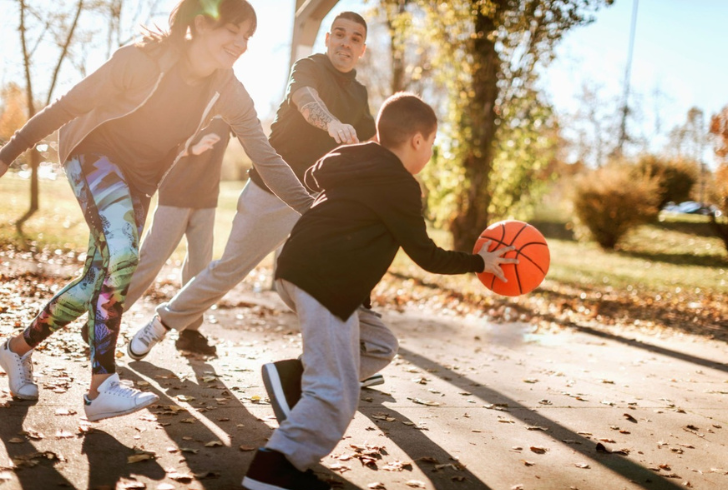
Pexels | Despite the pressure of future scholarships and earnings, experts urge parents to keep youth sports fun.
As children gain experience, some begin showing signs that they are ready for a greater commitment.
Nick Asinjo, a 14-year-old defender for Cincinnati United Premiere, plays on a year-round travel soccer team that requires tryouts and emphasizes performance. Living in Dayton, Ohio, Nick decided in sixth grade that soccer was the sport he wanted to pursue more seriously after receiving encouragement from coaches, teammates, and family members.
“I want to get better. I see the pros, I see how they live and how they play, and it motivates me to go out there and be better,” he said.
Experts believe that children should ultimately decide how much energy and time they want to invest in a sport. Parents may handle transportation, schedules, and expenses, but motivation tends to be strongest when it comes from the athlete.
Dorsch explains that healthy motivation develops when children feel a sense of autonomy, competence, and connection with teammates.
Nick’s mother, Tess Mitchner Asinjo, said it became clear that her children were serious about sports after years of participation. Their willingness to seek additional training and actively search for ways to improve signaled a deeper commitment.
That internal drive often serves as a reliable indicator that a child is ready for more advanced opportunities.
While some young athletes thrive in highly competitive environments, experts warn that specializing too early can create challenges.
Tamara McLeod, chair of the Department of Athletic Training at A.T. Still University in Mesa, Arizona, notes that year-round participation on travel teams often requires significant financial and time commitments. Over time, those demands can affect both athletes and families.
Children who genuinely enjoy the sport may handle those pressures well. Problems can emerge when participation continues because of outside expectations rather than personal interest.
In some cases, families feel obligated to keep moving toward higher levels of competition simply because of the investments already made. As enthusiasm decreases, stress can increase.
Physical health is another concern. Repetitive movements associated with year-round training may lead to overuse injuries. Early warning signs are often overlooked, which can result in lengthy recovery periods or even surgery if left untreated.
Monitoring workload and maintaining open communication can help reduce those risks.
Experts consistently encourage families to keep sports in perspective, regardless of a child's talent level.
Most young athletes will not build professional careers in sports. Data from the National Collegiate Athletic Association (NCAA) and the National Federation of State High School Associations highlights this reality. Of nearly 8 million students participating in high school sports, approximately 560,000 will compete at NCAA member colleges and universities. From that group, only a small percentage will advance to professional leagues or the Olympic level.
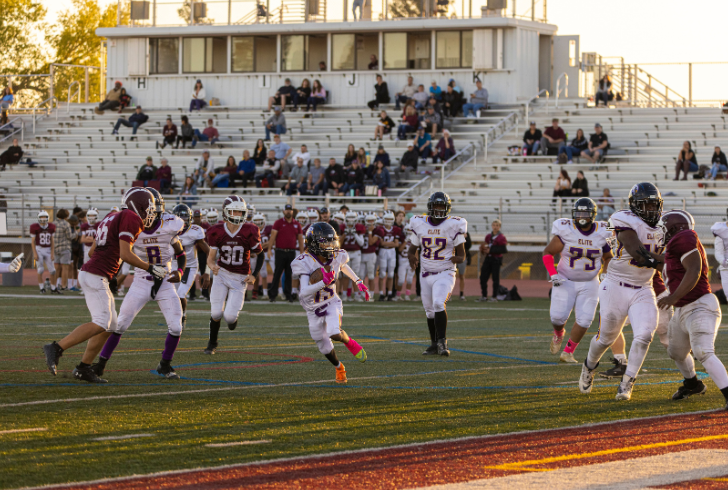
Pexels | NCAA data confirms that only a tiny fraction of the 8 million high school athletes will ever make it to the professional or Olympic level.
Because of those odds, personal growth often provides greater long-term value than elite achievements.
The U.S. Olympic & Paralympic Committee's American Development Model promotes a long-term approach to youth sports. The framework encourages children, particularly those under age 12, to participate in multiple sports rather than specializing early. It also emphasizes skill development, enjoyment, proper recovery, and age-appropriate training loads instead of focusing solely on winning.
The goal is to create healthier athletes and healthier experiences.
Youth sports can teach lessons that extend well beyond the field, court, or track. Respect for authority, teamwork, resilience, discipline, and handling both success and disappointment are among the qualities many families hope children will develop through participation.
Dorsch believes those outcomes require active guidance from adults rather than assumptions.
“We want our kids to be healthy. We want them to learn to respect authority figures. We want to learn how to win and lose with grace. We want them to become resilient and have grit,” Dorsch said. “But it’s incumbent upon the coaches and parents to actually deliver on that promise and not just assume that sport is going to do it automatically.”
Global sporting events can ignite excitement and introduce children to activities they may never have considered before. That enthusiasm can open doors to new friendships, skills, and opportunities. At the same time, parents play an important role in ensuring that sports remain a positive part of childhood.
Allowing children to take ownership of their athletic interests, encouraging effort over outcomes, and keeping expectations realistic can create a healthier experience for everyone involved. When enjoyment, development, and personal growth remain the priority, sports can offer benefits that last long after the final whistle.